
Leading Products For Bird Netting Installations You Can Trust
Discover top-rated products designed to ensure secure and effective bird netting solutions for various installation needs.
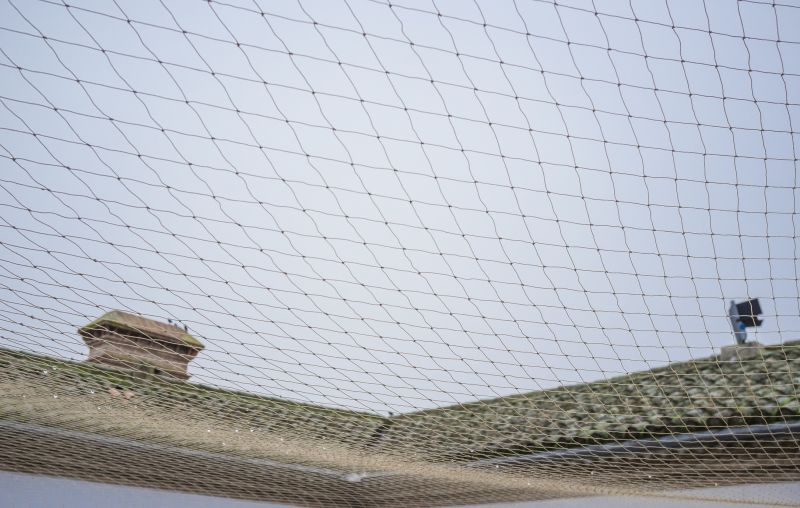 Installing bird netting is a practical way to protect gardens, fruit trees, and building structures from unwanted avian visitors. Selecting the right products for bird netting installations involves understanding various materials, sizes, and attachment methods to ensure effective coverage and durability. Whether for preventing pest birds from damaging crops or safeguarding architectural features, the right equipment can make installation straightforward and reliable.
Top Overall Option
Heavy-Duty Bird Netting with Reinforced Edges
This versatile bird netting features durable, UV-resistant mesh with reinforced edges for added strength and longevity. Designed for both temporary and permanent installations, it provides effective coverage across various environments. Its fine mesh helps prevent small birds from slipping through, while the robust construction ensures reliable performance over time.
Types of Products For Bird Netting Installations
Polyethylene Bird Netting
A common choice for general protection, offering lightweight yet durable coverage suitable for gardens and small structures.
Polypropylene Bird Netting
Known for its flexibility and resistance to weather, ideal for temporary or semi-permanent installations.
Nylon Bird Netting
Provides high tensile strength and durability, suitable for larger or more exposed areas.
Polyethylene Mesh with Reinforced Edges
Enhanced with extra binding for increased durability, suitable for long-term outdoor use.
UV-Resistant Bird Netting
Designed to withstand prolonged sun exposure, maintaining integrity over years of outdoor use.
Bird Netting with Fine Mesh
Ideal for preventing small birds from passing through, often used around fruit trees and garden beds.
Heavy-Duty Steel Support Cables
Strong cables used to tension and support bird netting over large spans or irregular shapes.
Tensioning Devices
Tools such as turnbuckles or tension hooks to ensure netting remains taut and effective.
Quick-Release Hooks
Facilitate easy removal and reinstallation of netting for maintenance or seasonal adjustments.
Edge Binding and Reinforcements
Accessories that strengthen net edges, preventing fraying and extending lifespan.
Mounting Poles and Supports
Sturdy poles and brackets designed to hold netting securely in place over various structures.
Netting Ties and Fasteners
Various ties and clips used to attach netting to support structures reliably.
Mesh Repair Kits
Tools and patches for repairing torn or damaged netting, extending its service life.
Popular Choices
Widely used for outdoor applications due to its resistance to sunlight degradation.
Flexible and easy to handle, suitable for protecting small garden beds and fruit trees.
Designed for larger areas, offering robust protection against various bird species.
Useful for creating tensioned netting over irregular surfaces or large spans.
Adjustable tensioning solutions that facilitate easy installation and removal.
Hardware designed to withstand outdoor conditions for long-term installation.
Popular for protecting delicate plants and small fruits from birds.
Complete kits that allow for seasonal protection with easy removal options.
Devices that help maintain optimal tension across the netting surface.
Reinforcements that prevent fraying and extend netting lifespan.
Designed for covering large agricultural areas or expansive structures.
Small fasteners that secure netting tightly to support structures.
Frames that hold netting in place, ideal for temporary setups or movable protection.
Bird netting products come in a variety of configurations, including different mesh sizes, tensile strengths, and UV resistance levels. Proper planning involves measuring the area to be protected and choosing netting that provides sufficient coverage without excessive sagging or gaps. Additionally, the mounting hardware and support systems must be compatible with the netting material to ensure a secure fit over time.
When considering installation, it’s important to evaluate the environment, such as exposure to wind, rain, or sun, which can influence the longevity of the netting and accessories. Some products are designed specifically for permanent installations, featuring rust-resistant hardware and heavy-duty mesh, while others are suitable for temporary setups. Properly installed bird netting can serve as a long-lasting and effective barrier, reducing the need for frequent adjustments or replacements.
Investing in quality installation products can also simplify the process, especially for larger or more complex projects. From tensioning devices to quick-release hooks, the right accessories can help achieve a taut, secure netting setup that remains effective over time. With careful selection and proper installation techniques, bird netting solutions can meet a wide range of needs, providing peace of mind and protection for your property.
Key Buying Considerations
- Mesh size appropriate for the bird species you want to exclude, with finer mesh for small birds.
- Durability and UV resistance to ensure longevity in outdoor conditions.
- Material type, such as polyethylene, polypropylene, or nylon, based on environmental exposure.
- Support hardware compatibility, including poles, hooks, and tensioners.
- Ease of installation and removal, especially for seasonal or temporary setups.
- Coverage area and whether the netting can be easily cut or extended to fit irregular shapes.
- Tensile strength and ability to withstand wind and other environmental stresses.
- Reinforced edges or binding to prevent fraying and extend service life.
- Compatibility with existing structures or supports on your property.
- Cost-effectiveness considering the size and durability of the netting.
- Availability of repair kits or replacement parts for long-term maintenance.
- Ease of securing the netting to prevent sagging or gaps.
- Aesthetic considerations if appearance is important for visual integration.
- Environmental exposure factors such as rain, snow, or sun that influence material choice.
- Compliance with any local regulations or property guidelines regarding net installation.